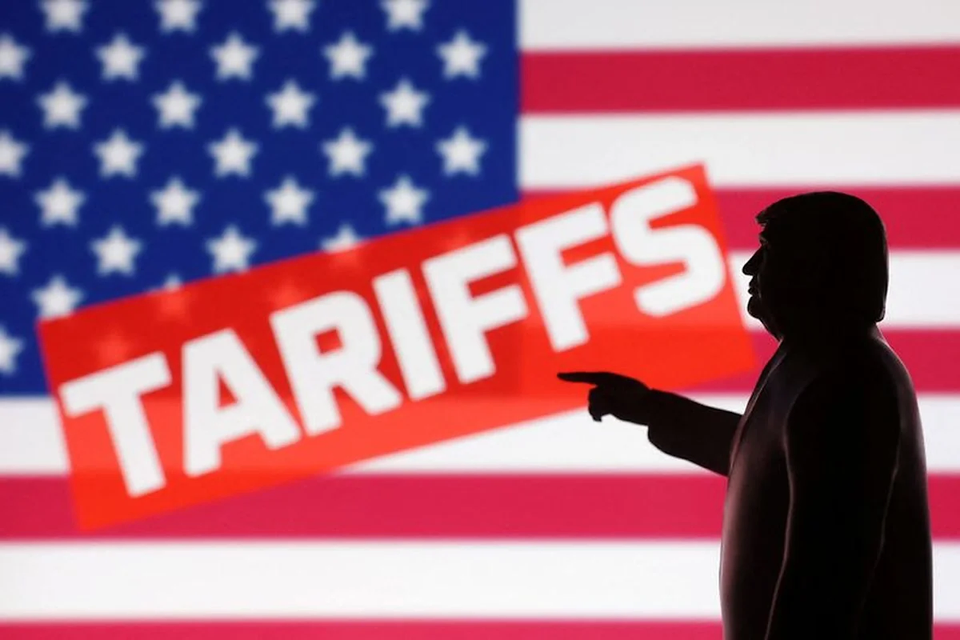
A new tariff framework takes shape
The United States has proposed a new set of tariffs aimed at what the administration describes as structural excess industrial capacity across major trading partners. The plan covers 14 economies and would use capped rates that differ by country, trade relationship and the status of ongoing negotiations. It is not yet in force. A public hearing scheduled for January 25 must take place before the proposed duties can move toward implementation, leaving governments and exporters a limited period to study the details and make their case.
China faces the highest proposed cap at 20 percent, on top of duties of roughly 25 percent imposed during Donald Trump's first term. Cambodia, Indonesia, Malaysia, Thailand and Bangladesh would face capped rates of 18 percent. Japan, South Korea, Taiwan, the European Union and Switzerland would be covered by a 15 percent ceiling that includes existing most-favoured-nation duties. Singapore would receive a 10 percent cap, while Vietnam's rate would depend on whether a trade agreement with Washington is completed.
India's rate depends on trade negotiations
India occupies a particularly important place in the proposal because its final rate would turn on the outcome of trade talks. The suggested cap is 17 percent if an agreement is finalised and 25 percent if negotiations fail. That difference gives both sides a clear commercial incentive to reach terms, but it also adds pressure to discussions that already cover market access, industrial policy and domestic regulatory priorities. Companies trading across the two economies will now need to model both outcomes rather than assume one settled tariff path.
The administration says the proposed measures are designed to counter industrial strategies that suppress wages, channel financial support to production and use non-market inputs in ways that weaken American manufacturing. China rejects the claim that it has an overcapacity problem and argues that the issue is being used for political purposes. That disagreement is larger than a dispute over tariff percentages. It reflects competing views of how governments may support strategic sectors and how global markets should absorb fast-growing production.
Trade deals set boundaries but not certainty
Officials have indicated that negotiated trade limits will be respected, which is why several partners have capped rates below the highest proposed level. Even so, the legal basis and product coverage will matter as much as the headline figures. Businesses will examine whether existing exclusions remain available, how customs authorities classify affected goods and whether new levies replace or overlap with other duties. China would also face a higher rate if its current trade truce with Washington breaks down, creating another layer of uncertainty around the final burden.
The plan follows an eight-month investigation under Section 301 of the Trade Act of 1974. That route offers the administration an alternative mechanism after earlier emergency tariffs were struck down by the Supreme Court. It also means the next phase will involve formal submissions, sector lobbying and challenges over evidence. Manufacturers that rely on imported components may argue that higher input costs weaken their own competitiveness, while protected producers are likely to emphasise the pressure created by subsidised foreign capacity.
Markets and supply chains face another adjustment
The announcement arrived during a sharp technology-led market selloff, adding trade risk to an already unsettled investment environment. The immediate market response does not determine the long-term effect, but renewed tariff uncertainty can influence currency assumptions, capital spending and supplier contracts well before any duty takes effect. Exporters may accelerate shipments, reconsider production locations or seek exemptions. Importers may renegotiate prices and diversify sourcing, particularly in sectors where margins are too narrow to absorb a large additional charge.
The January hearing is therefore the first major checkpoint rather than a procedural footnote. It will help determine which products are included, whether proposed caps change and how the administration answers concerns about consumer prices. For India and Vietnam, the parallel trade negotiations will be equally important. The final structure could reshape manufacturing relationships across Asia and Europe, but the current proposal remains a developing policy. Any assessment must separate the announced rates from the duties that ultimately survive consultation, negotiation and possible legal scrutiny.
Companies now have a practical consultation window in which to examine product codes, existing exemptions and the interaction between country caps and earlier duties. That work is essential because a tariff announced at national level may affect individual supply chains very differently. A business importing finished consumer goods faces another cost structure from a manufacturer bringing in specialised components that are unavailable domestically. Governments will also argue that their industrial support responds to legitimate development, climate or security goals. The hearing record should reveal where the proposal has strong evidence and where adjustments may be necessary. Until a final schedule is issued, responsible planning should use several scenarios rather than treating the maximum published rate as the certain outcome for every shipment.
PUBLISHED BY SUYASH PACHAURI, FOUNDER & OWNER, GLOBAL BOLLYWOOD | THE HOLLYWOOD SCOPE.